 Opens in a new window.
How Fire Investigators Determine the Cause of a Range Fire
Cooking was the leading cause of home fires and home fire-related injuries from 2017 to 2021, according to the latest data from the National Fire Protection Association (NFPA). Ranges and cooktops were involved in 53% of these incidents. These fires are often more complex than they seem, requiring detailed investigations to uncover the most plausible origin and cause.
Come along with National Fire Experts (NFE) for a look at what goes into these investigations!
For the best experience, view this interactive guide on desktop.

Identifying the Area of Origin
Hover over each box below to learn more about how the origin of a fire can be identified.
Area of Least Fire Damage
When a policyholder reports that a fire started with cooking equipment, it’s essential to avoid confirmation bias—the tendency to interpret and favor information that aligns with one hypothesis and ignore or dismiss information that suggests other possibilities.
Area of Greatest Fire Damage
NFE investigators follow NFPA 921 guidelines and use a systematic approach to uncover the fire’s most plausible origin. They start by interviewing the insured to gather background information. Then they conduct a thorough inspection of the home’s exterior, carefully examining the entire perimeter before moving inside. By analyzing fire patterns and progressing from the least damaged areas to those with the most severe fire damage, investigators determine where the fire began.
What Can the Evidence Tell You?
If investigators determine that a fire originated on a range top, they’ll then examine various indicators to identify the heat source, first material ignited, and ignition sequence.

Hover over each breakout section below to learn about some of these indicators and what they can tell certified fire investigators.

Burn patterns, shown here and in the section to the right, help define the fire origin and spread.

Range top residue can indicate an area of origin and the materials involved.

Thermal patterns can indicate if a burner was on and if cookware was involved in the fire, as they show which items were exposed to the highest temperature.

Combustibles on the range surface can be a possible first material ignited.

Position of the range heating element/burner controls may indicate which heating element/burner was on and at what temperature at the time of the fire.

Food and oil residue can confirm that active cooking was taking place at the time of the fire.
What's in the Report?
Click on each box below to discover the benefits of an NFE fire investigation report.
Verbal Briefing
→
Written Report
→
Verbal Briefing
After a fire scene investigation, certified fire investigators may share preliminary findings through a verbal briefing. NFE also offers clients the option to receive all conclusions verbally if preferred to a written report.
Written Report
→
Verbal Briefing
→
Written Report
If clients opt for a written fire report, these may include investigators’ observations and conclusions regarding the most plausible origin and cause of the fire, as well as recommendations for any additional testing or other next steps. Information contained within a report will depend on the type requested.
If You Decide To Investigate Further
Click on the tabs below to learn more about each step of an investigation, from the scene to the lab.
Documenting Equipment and Scene Details
Documenting Equipment and Scene Details
Packaging and Transporting Evidence
Conducting Product Failure Testing and Research
-copy.jpg?v=06032026170524)
During a range top fire investigation, NFE investigators record the range’s brand, model, and serial number, unless they’re obscured due to severe fire damage. In this case, engineers can utilize non-destructive testing to assist in identifying the appliance brand and model.
Certified fire investigators may use this information to check for recalls, which could impact their recommendations for next best steps.
Investigators also thoroughly document the entire scene, including performing 3D scans when conditions allow, so that the fire scene can be revisited virtually.
See these 3D scans in action, and discover more about how they can help with claims and litigation alike. Watch the How To Preserve Fire Scene Evidence With 3D Imaging Video.
If You Decide To Investigate Further
Click on each tab to learn more about each step of an investigation.
Documenting Equipment and Scene Details
Packaging and Transporting Evidence
Packaging and Transporting Evidence
Conducting Product Failure Testing and Research
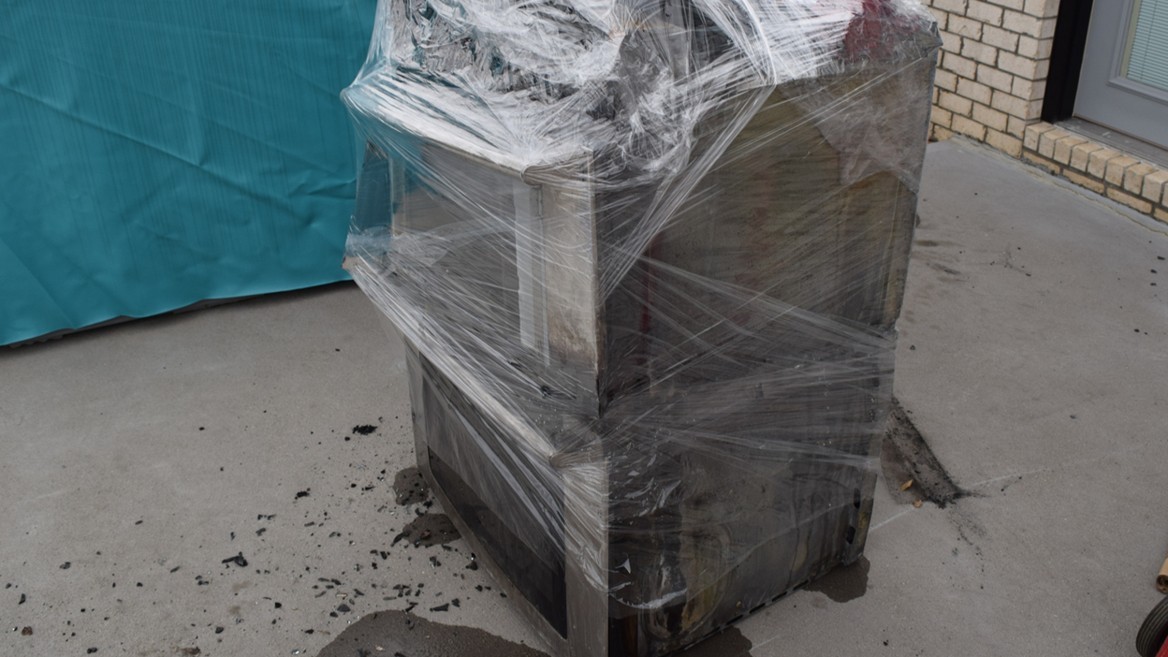
NFE recommendations for next steps may include transporting evidence for further testing. For chemical testing, NFE packages debris and residue in sealed, unlined metal paint cans.
As part of the Alpine Intel suite of services, NFE collaborates with Donan’s Component Testing Laboratories’ (CTL) evidence preservation and transportation service, Loss Logistics, to ensure safe transport of products or components, such as an entire range. Loss Logistics uses specialized packaging techniques to protect items during transit, maintaining a single-entity chain of custody to one of CTL’s state-of-the-art facilities for expert product failure testing and storage.
If You Decide To Investigate Further
Click on each tab to learn more about each step of an investigation.
Documenting Equipment and Scene Details
Packaging and Transporting Evidence
Conducting Product Failure Testing and Research
Conducting Product Failure Testing and Research
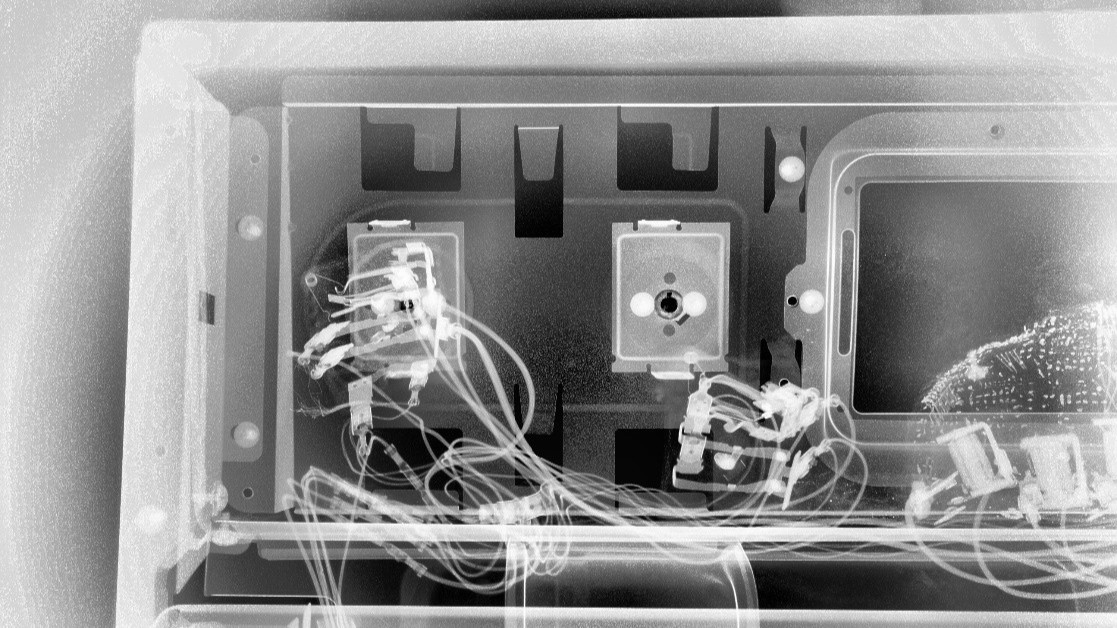
CTL's Professional Engineers conduct product failure testing on ranges and other equipment involved in fires, using either non-destructive or destructive methods based on client needs.
Engineers may use non-invasive means, such as X-ray, to examine wiring placement within the range, helping determine the cause of failure, its role in the fire, and whether manufacturing defects or installation errors were factors. Either of these two latter causes could present an opportunity for the carrier to pursue subrogation.
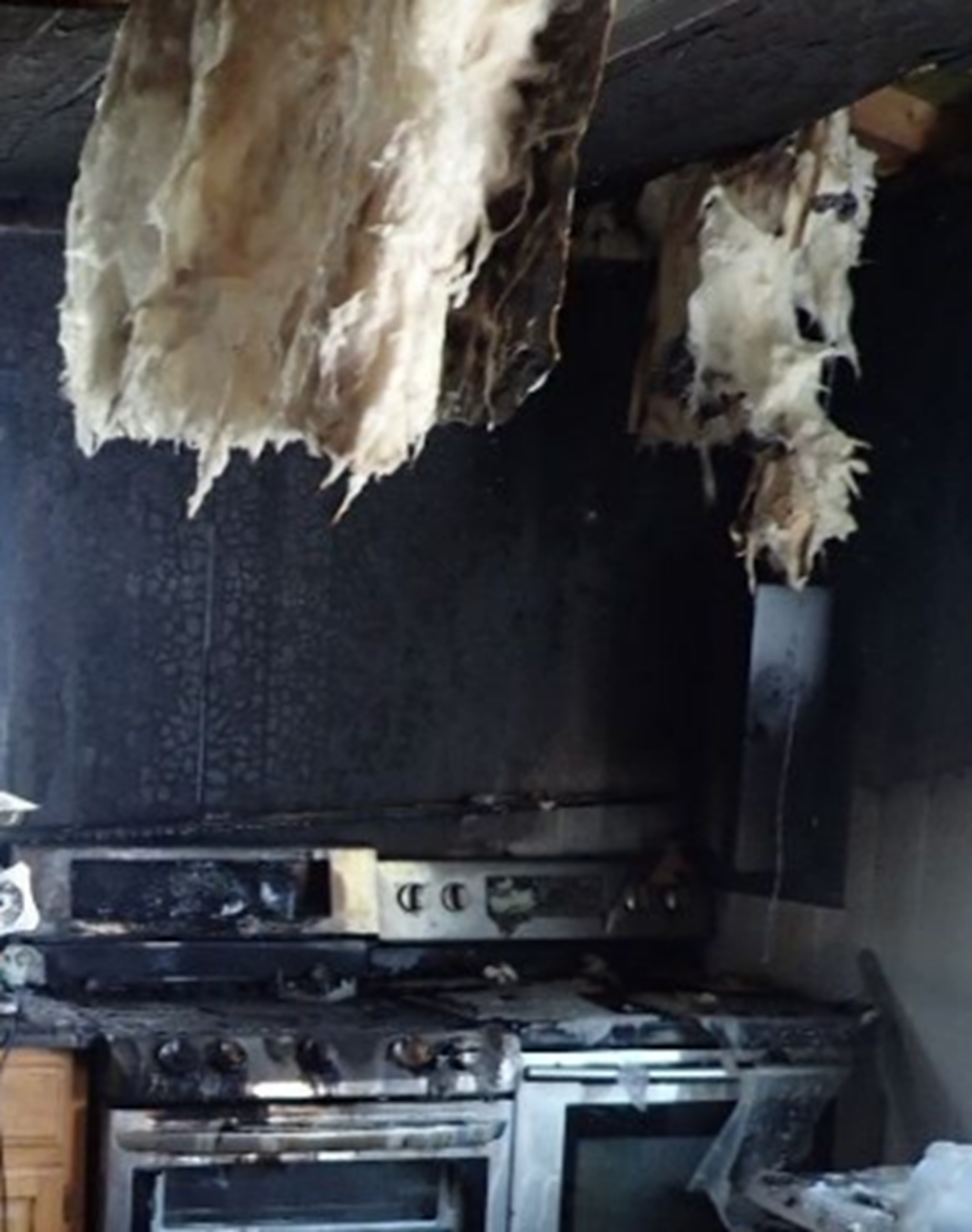
Inside a Range Fire Origin and Cause Investigation
In this case study, the policyholder wasn’t actively cooking but returned to the structure behind their home to discover that the plastic totes they had left behind were engulfed in flames on the countertop and electric range.
With no clear explanation of how the fire started, the adjuster assigned to the claim faced the risk of an inaccurate settlement and uncertainty about whether the range itself required further investigation. Read about NFE’s systematic origin and cause investigation, product research, and the expert insights they provided to the adjuster.
 Opens in a new window.
National Fire Experts, a part of Alpine Intel’s suite of services, maintains the scientific method at the forefront of residential, commercial, industrial, vehicle, marine vessel, and specialty equipment fire investigations to determine the origin and cause of the fire.
Under Alpine Intel, NFE can also work closely with Donan’s Component Testing Laboratories (CTL). CTL’s in-house transportation service, Loss Logistics, ensures a single-entity chain of custody for evidence, while their Professional Engineers provide reliable, top-of-class reports based on the scientific method and engineering principles to deliver insights you can depend on to make subrogation decisions.
Need actionable insight into a claim?